Visiting historical islands in Sicily has gotten complicated with all the cruise ship itineraries and thirty-six-hour-whirlwind-tour guides flying around. As someone who spent four days wandering Ortigia with no real plan beyond eating well and looking at old buildings, I learned everything there is to know about this tiny island that holds the historical heart of Syracuse. Today, I will share it all with you.
What Ortigia Is
But what is Ortigia? In essence, it is a small island connected to mainland Syracuse by three bridges that has been continuously inhabited since Greek times. But it is much more than that. Every civilization that passed through Sicily left fingerprints here — Greeks, Romans, Byzantines, Arabs, Normans, Spanish — and you can see all of it layered on top of itself in the buildings, the streets, and the food.
The Ancient Stuff
The name comes from the Greek word Ortygia, meaning Quail Island. According to legend, this is where Leto gave birth to Artemis and Apollo, which is a lot of mythological weight for a place you can walk across in twenty minutes. The Temple of Apollo is one of the oldest Doric temples in Sicily and even in its ruined state it gives you a sense of how grand things were here two and a half thousand years ago. I stood there on a Tuesday morning with maybe three other people around and tried to wrap my head around the timeline. It did not fully compute.
Buildings That Stop You in Your Tracks
Probably should have led with this section, honestly. The Cathedral of Syracuse started life as a Greek temple dedicated to Athena in the 5th century BC. Then someone converted it into a church and just sort of built around the original columns. You can still see the Doric columns embedded in the cathedral walls, which is one of those architectural details that makes you realize how much reuse went into building the Mediterranean world.
Palazzo Beneventano del Bosco is baroque from the 1700s with ornate balconies and the kind of decorative excess that only makes sense in southern Italy. It is beautiful in a way that borders on showing off, which I respect.
The Fountain of Arethusa
There is a natural freshwater spring on this island that, according to myth, was created by Artemis to help a nymph escape a river god. Setting aside the mythology, it is a genuinely peaceful spot surrounded by papyrus plants and ducks just doing their duck thing. I sat on the wall next to it and ate a cannolo I had bought from a bakery two streets over, which is the kind of mundane detail that captures what Ortigia is actually like better than any guidebook description.
Walking the Coast
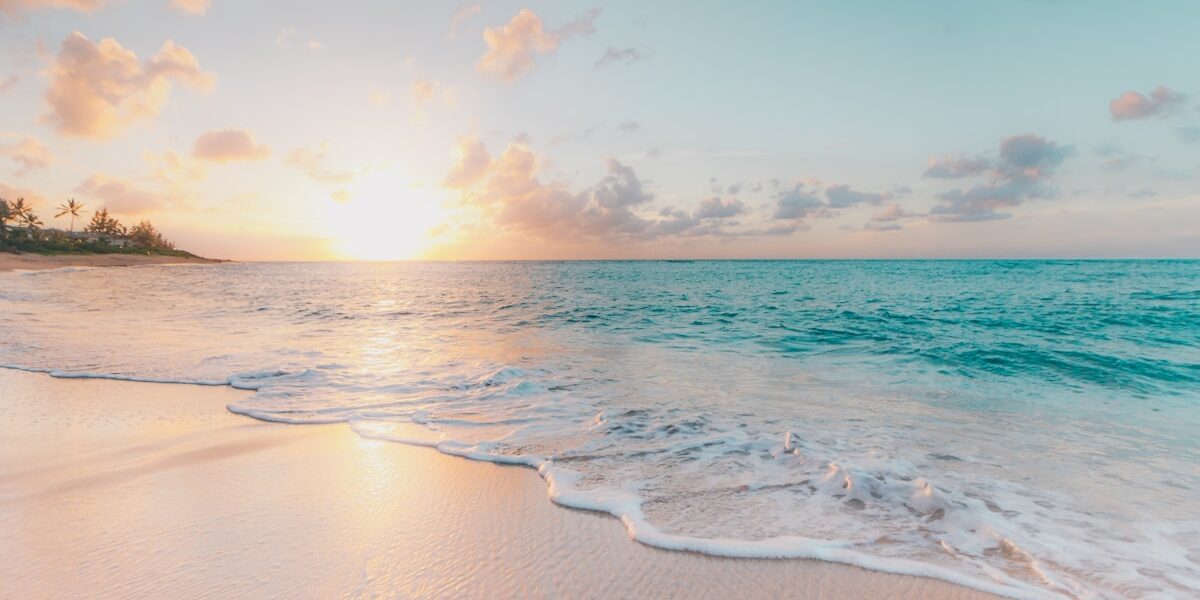
The Lungomare Alfeo is a promenade along the water that is perfect for an evening walk when the light turns golden. The water is turquoise in a way that looks edited in photos but is genuinely that color in person. If you are feeling adventurous, you can book a boat trip around the island to explore the sea caves. The water clarity lets you see the bottom even in deeper sections.
The Food Situation
That’s what makes Ortigia endearing to us food-motivated travelers — the cooking here is rooted in what came out of the water or the ground that morning.
Mercato di Ortigia is the local market and it is one of those places that makes you want to cook even if you do not have a kitchen. Fresh fish, produce, cheese, cured meats, all laid out by vendors who will tell you exactly how to prepare what you just bought. The trattorias nearby serve pasta alla Norma with eggplant and ricotta that tastes nothing like what you get at Italian restaurants back home. Arancini from a street vendor is the best two-euro meal in Sicily. And the cannoli — crispy shell, sweet ricotta filling — I had one every single day and felt zero guilt about it.
Granita deserves its own mention. It is a semi-frozen dessert that comes in various flavors and it is the correct response to a hot Sicilian afternoon. Lemon granita with a brioche bun is breakfast in this part of the world, which I find both confusing and excellent.
Events and Festivals
The Ortigia Film Festival draws independent filmmakers from around the world and turns the island into an outdoor cinema for a few days. The Feast of Saint Lucy is the big religious celebration with a procession, music, and enough food to feed the entire city of Syracuse. If your trip overlaps with either, consider yourself lucky.
Shopping
The streets are lined with small shops selling handmade ceramics, jewelry, and textiles. I am apparently someone who always buys ceramics on vacation and then worries about them surviving the flight home. The artisans here sell directly, which means you can ask about techniques and actually learn something instead of just buying a souvenir. The Via Cavour market has fresh produce and cheese that will make you sad about your supermarket back home.
Where to Stay
Boutique hotels and guesthouses occupy many of the historic buildings. The rooms tend to be small by American standards but the stone walls and original details more than compensate. Restaurants and cafes cover everything from fine dining to casual trattorias where the owner seats you himself and brings whatever he thinks you should eat. Go with that option when it presents itself. It is always the right call.
Being a Good Visitor
The preservation work on Ortigia is ongoing and tourism helps fund it. Do the basic things — dispose of waste properly, support the local businesses instead of chains, treat the place like someone’s home because it is. This island has survived twenty-five centuries of human activity. The least we can do is not leave trash on the Lungomare.



Stay in the loop
Get the latest jet set travel tips updates delivered to your inbox.