
Here’s what actually makes this worth exploring.
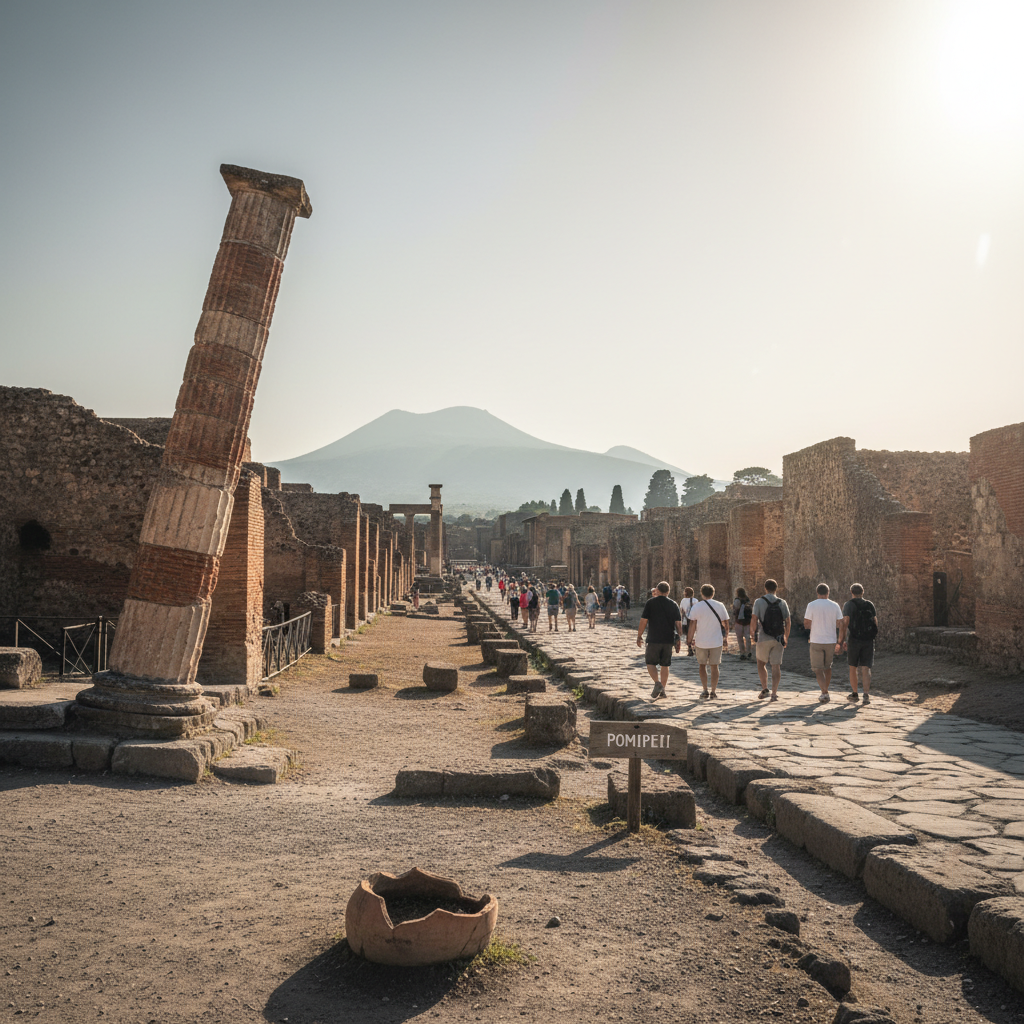
Exploring Pompeii: A Day Trip Guide
Pompeii stands as a remarkable window into the past. This ancient city, buried by the eruption of Mount Vesuvius in AD 79, offers a unique glimpse into Roman life. Many choose to visit Pompeii as a day trip from Naples or Rome, thanks to its accessibility and historic significance.
Getting to Pompeii
Reaching Pompeii is straightforward. From Naples, it’s a short train ride. The Circumvesuviana line takes you directly to the Pompeii Scavi station. This trip usually takes about 30-40 minutes. From Rome, you can take a fast train to Naples and then transfer to the Circumvesuviana. Plan for about 2-2.5 hours of travel time from Rome.
Best Time to Visit
The site can get crowded, especially during peak tourist seasons. Visiting early in the morning helps you avoid the rush. The weather is also cooler, making the experience more pleasant. Spring and fall are ideal times for a visit, providing mild weather and fewer crowds compared to summer.
What to See in Pompeii
- Forum: This central square was the hub of Pompeian life. Surrounded by important government buildings, it’s a fascinating place to start.
- Amphitheatre: One of the oldest surviving Roman amphitheatres. It provided entertainment for up to 20,000 spectators.
- House of the Faun: This grand residence showcases intricate mosaics and offers insight into the wealth and lifestyle of Pompeii’s elite.
- Lupanar: A small brothel showing well-preserved erotic artwork and providing an intriguing glimpse into ancient Roman culture.
- Villa of the Mysteries: Located on the outskirts, this villa boasts exceptional frescoes depicting the initiation rites of a mysterious cult.
Guided Tours
While exploring Pompeii on your own is possible, guided tours can enhance the experience. Guides often provide in-depth historical context and interesting anecdotes that you might miss otherwise. Audio guides are an alternative for those who prefer a self-paced exploration but still want detailed information.
What to Bring
Walking around Pompeii requires preparation. Comfortable shoes are a must due to uneven, ancient streets. Sunscreen and hats are advisable, as there is little shade. Bringing water and snacks will keep you energized. There are a few cafeterias onsite for more substantial bites.
Avoiding Pitfalls
Pompeii is vast. It’s easy to get overwhelmed. Prioritize the main sights and plan your route. Maps available at the entrance are helpful. Beware of pickpockets, especially around crowded areas. Secure your valuables and remain vigilant.
Nearby Attractions
If time permits, nearby sites like the Herculaneum and Mount Vesuvius itself are worth visiting. Herculaneum, another city buried by the same eruption, is smaller and better preserved. It offers a different perspective on Roman life. A hike up Vesuvius provides stunning views of the Bay of Naples and the crater.
Historical Context
The eruption of Mount Vesuvius in AD 79 was catastrophic. Ash and pumice buried Pompeii, freezing the city in time. Rediscovered in the 18th century, excavation efforts revealed buildings, artifacts, and even casts of human bodies. These finds offer valuable insights into Roman architecture, society, and daily life.
Visiting the Antiquarium
The Antiquarium is Pompeii’s onsite museum. It houses artifacts and provides context to the ruins. Displays include pottery, tools, and plaster casts of victims. This museum deepens your understanding of the catastrophic eruption and daily life in the city.
Accessibility
Efforts have been made to make Pompeii accessible to all. Although many areas remain challenging due to the ancient streets, there are routes suitable for visitors with mobility issues. Maps highlighting accessible paths are available at the entrance.
Sustainability and Preservation
Preserving Pompeii is an ongoing challenge. Visitors are encouraged to respect the site. Avoid touching structures and artifacts, stay on designated paths, and follow guidelines from staff. Responsible tourism ensures that this treasure remains for future generations.
Pompeii’s Impact
Exploring Pompeii is more than a journey through an archeological site. It’s an immersion into history. The echoes of Roman life resonate through the ruins, providing a profound connection to the past.
“`



Stay in the loop
Get the latest jet set travel tips updates delivered to your inbox.