
Planning a family trip has gotten complicated with all the Pinterest boards and best-family-vacation listicles and pressure to create Instagram-worthy moments flying around. As someone who has planned trips with kids ranging from toddlers to teenagers and gotten it wrong enough times to learn what actually works, I can tell you that the secret is simpler than the internet makes it seem. Today, I will share everything I have figured out.
Start by Asking Everyone What They Want
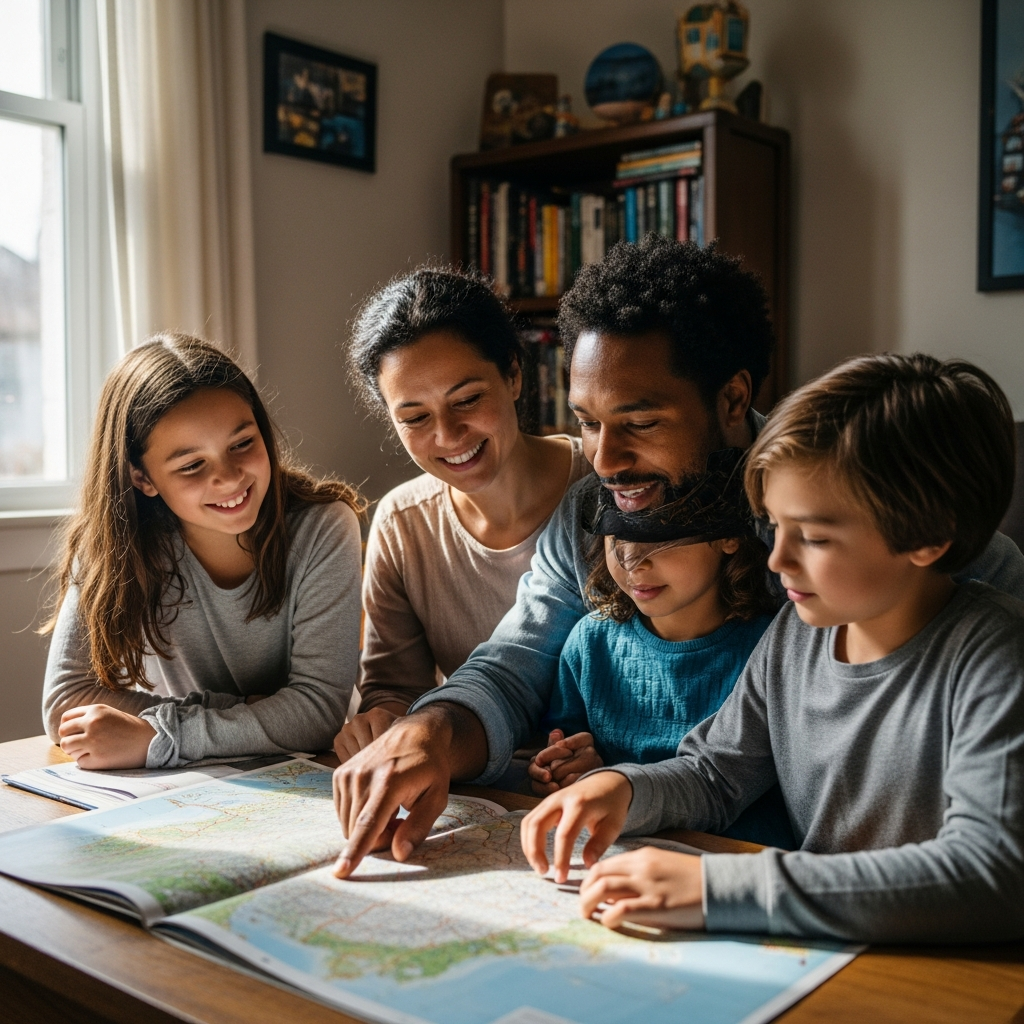
Probably should have led with this section, honestly. Before you open a single travel website, sit down with your family and ask what everyone wants from the trip. Not where they want to go — what they want to do and feel. The eight-year-old might say swimming pool. The teenager might say WiFi and somewhere cool to explore. Your partner might say no cooking for a week. You might say somewhere I can sit still for more than ten minutes.
Write it all down. These preferences become your filter for every decision that follows. A beach resort checks the swimming pool box and the no-cooking box. A national park checks the exploring box but maybe not the WiFi box. Knowing the non-negotiables up front prevents the situation where you book a cabin in the mountains and everyone is miserable because there is nothing to do when it rains.
The Money Conversation
Set a real budget before you fall in love with a destination. Include flights, accommodation, activities, food, and a buffer for the unexpected expenses that always show up. Kids will want souvenirs. Someone will get hungry at the airport and a sandwich will cost fourteen dollars. The rental car will need gas. Add fifteen to twenty percent on top of your estimate and you will be closer to reality.
I am apparently someone who uses spreadsheets for vacation budgets, which my family finds either endearing or annoying depending on the day. But it works. Knowing your number before you start looking means you do not waste time researching trips you cannot afford.
Picking the Actual Destination
With your preference list and budget in hand, start researching. Consider the ages of your kids seriously. A toddler does not care about historical ruins. A teenager does not want to sit on a beach for seven days. The travel time matters too — a fifteen-hour flight with a two-year-old is a fundamentally different experience than a three-hour drive.
That’s what makes choosing a family destination endearing to us parents — the puzzle of finding something that works for everyone. Beach resorts, camping trips, city breaks, national park visits — they all serve different families differently. Read reviews from other parents specifically. A hotel can be five stars for couples and two stars for families if the pool is tiny and there is nothing for kids to do.
When to Go and For How Long
Off-peak travel saves money and avoids crowds, but make sure the things you want to do are actually available. A beach resort in the shoulder season might be half-price but the water might be too cold for swimming, which defeats the purpose if swimming was on the list. School schedules obviously constrain timing. A five-day trip usually hits the sweet spot for younger kids — long enough to unwind, short enough that nobody melts down from overstimulation.
Where to Sleep
Hotels with pools, kids clubs, and proximity to what you came to see are the safe choice. Vacation rentals give you more space, a kitchen, and the ability to do laundry, which matters more than you think when a three-year-old spills juice on everything they own on day two. Camping works if your family is into it and falls apart fast if they are not. Be honest about what your crew can handle.
Planning Activities Without Overplanning
Plan two or three anchor activities that everyone will enjoy. Leave the rest open. Over-scheduling a family trip is the number one way to guarantee nobody has fun. Kids need downtime. Adults need downtime. Build in afternoons with no agenda where people can swim, nap, read, or explore on their own. The best family trip moments tend to be unplanned — the random ice cream shop you find while walking, the tide pool the kids discover, the sunset you happen to catch from the right spot.
Pack for What Goes Wrong
First aid kit, any medications your family needs, snacks for the travel days, entertainment for kids during transit. Have your travel documents organized and accessible. I keep digital copies of everything on my phone and paper copies in the bag. Overkill until the one time your phone dies and you need a booking confirmation.
Take the Photos
Document the trip however your family does it. Photos, videos, a journal, whatever. My kids look back at trip photos constantly and the memories compound over time. Let older kids document in their own way too. Their perspective on the trip will be different from yours, and both are worth keeping.



Leave a Reply