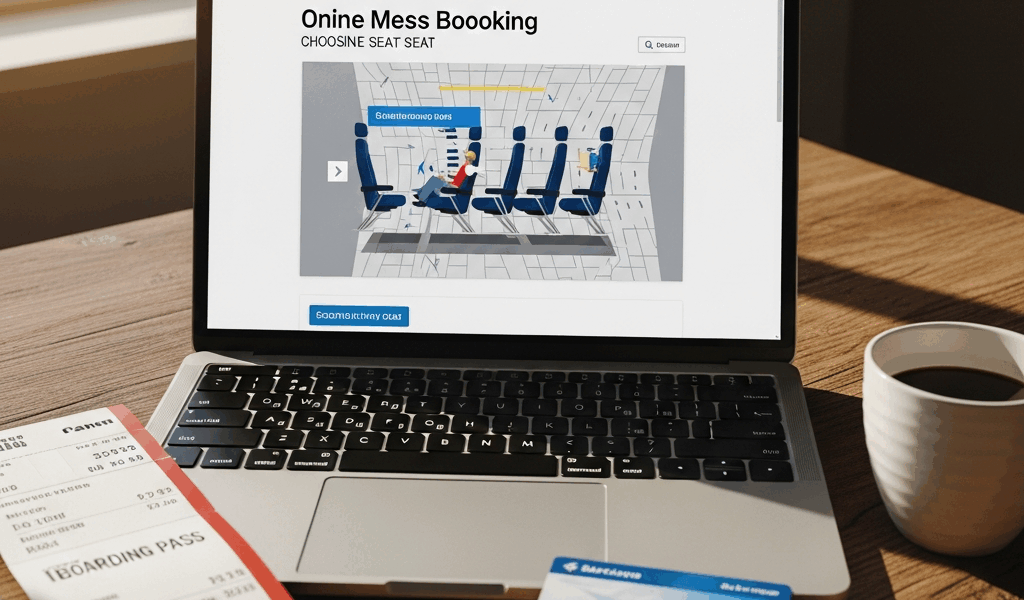
Why Airlines Charge for Seats They Used to Give Away
Airline seat fees have gotten complicated with all the fine print and upsell noise flying around. Ten years ago, this wouldn’t even be a conversation worth having. You bought a ticket. You got a seat — middle, aisle, window, whatever. That was just how flying worked.
Now? American Airlines charges anywhere from $15 to $85 depending on the route and where you want to sit. United’s basic economy passengers pay extra for anything that isn’t a back-row middle seat. Delta has tiered its seat selection so aggressively that plenty of flyers don’t even realize they’ve landed in a paid tier until the total appears at checkout.
This is unbundling. That’s what the industry calls it, anyway. Seats used to come with the ticket. Now the ticket gets you a boarding group and a random assignment — unless you hand over more money for the privilege of actually choosing. Airlines added billions in annual revenue this way. But it created real friction for everyone who just wants to sit somewhere that isn’t sandwiched between two strangers.
But what is the actual fix here? In essence, it’s a combination of timing, free tools, and benefits most travelers already have but never use. But it’s much more than that — and none of it involves hacks or loopholes. So, without further ado, let’s dive in.
Check In Exactly 24 Hours Before Your Flight
Probably should have opened with this section, honestly. It’s the single most reliable move available, and most travelers have never heard of it.
Airlines don’t leave unselected seats floating around indefinitely. They hold them — blocking out windows, aisles, and extra legroom rows until closer to departure. Then, at the 24-hour check-in mark, the system refreshes. Held seats drop back into the free assignment pool. Gate agents open up the map. If you’re checking in at that exact moment, you get first pick of whatever just became available.
Set a phone alarm. Not a gentle calendar nudge — a loud, obnoxious alarm set for exactly 24 hours and 5 minutes before your scheduled departure. Don’t make my mistake. I missed this window twice because I assumed I’d remember. I didn’t, both times. Now I set the alarm the moment I finish booking, right there on my home screen.
Open the airline’s app — not the website, the app loads faster and refreshes the seat map more reliably. Hit check-in, pull up the seat map, and watch. On most carriers, seats that were grayed out an hour ago will suddenly show as available. Pick before everyone else checking in at the same time does.
This works well on American, United, and Delta. Southwest is a different situation entirely — they don’t assign seats at all. They board by position groups (A, B, C), and you pick your spot when you walk on. Show up early enough and the good seats are still there.
The real upside here isn’t just avoiding a fee. You often end up with a better seat than the ones other passengers paid $40 for. That’s what makes this trick endearing to us frequent travelers — the people who paid extra sometimes end up with worse spots than the people who waited.
Use the Seat Map to Time Your Move
Not every seat opens at the same time. That part matters.
Exit rows stay blocked longer than standard seats. Airlines require in-person confirmation that you can physically operate the emergency door — so those seats don’t release automatically. A gate agent has to manually open them, usually 2 to 4 hours before departure. Bulkhead rows — the seats right in front of a divider or wall — follow a similar pattern for similar reasons.
Middle-of-cabin seats that were held? Those typically drop at the 24-hour mark. Premium cabin seats that nobody bought? Those tend to release around 12 hours out if they’re still sitting empty.
Two free tools worth knowing. First, the airline’s own app — I’ve literally refreshed the seat map and watched a blocked exit row seat flip from gray to green between page loads. Second, ExpertFlyer’s free tier shows seat availability patterns for specific flights. It won’t guarantee anything, but it gives you a real sense of which seats tend to open on your particular route.
The approach: set three check-in windows. First at 24 hours. Second at 4 hours if the 24-hour check turned up nothing worthwhile — exit rows often show up here. Third at 2 hours before departure if you’re still hunting. Most of the time the 24-hour window is all you need. But knowing the pattern keeps you from giving up after the first check.
Status, Credit Cards, and the Perks Most Travelers Ignore
As someone who has flown enough to stumble into Silver status without really trying, I learned everything there is to know about loyalty tier benefits by accident. Today, I will share it all with you — especially the part that took me embarrassingly long to figure out.
You don’t need Diamond, Platinum, or any elite-sounding tier to unlock free seat selection. Entry-level status — Silver on United, Silver on American, Silver Medallion on Delta — often includes complimentary seat assignment. If you fly for work, you probably already have this. If you fly once a year for a vacation, you probably don’t.
But there’s a faster path. Co-branded airline credit cards bundle seat selection into the basic card benefits. The Delta SkyMiles American Express includes preferred seat selection and complimentary upgrades on Delta flights. The United Explorer card gives free first checked bag plus seat upgrades on United. American Airlines AAdvantage Citi cardholders get preferred boarding and seat selection on AA flights.
I’m apparently a Delta person — the Delta Amex works for me while the United Explorer card never quite clicked with how I actually travel. Your mileage will vary, obviously. But here’s the thing most people miss: if you already carry one of these cards and have never used the seat benefit, log into your account right now. It’s in a benefits PDF buried somewhere in the account portal. It’s been sitting there, unused, the whole time.
The upgrade piece is worth noting too. This isn’t a free first-class bump — those go to status holders. But preferred seat access often includes Economy Plus cabins, which means extra legroom economy seats at no additional charge. That’s a genuinely material improvement over the last row without spending anything extra.
What to Do at the Gate If You’re Still in a Middle Seat
Sometimes all of this fails. You checked in at 24 hours, the map was empty. No status, no card benefit. You’re standing at Gate C12 with a 28B assignment and 45 minutes until boarding. That’s fine. There’s still one move left.
Gate agents can reassign seats. Most travelers don’t realize how much flexibility they actually have — at least if the flight isn’t completely packed.
Timing matters here. Don’t ask at bag drop. Don’t walk up to the gate counter during the boarding rush. Wait until 30 to 45 minutes before boarding starts. At that point, the agent can see the actual load — which seats are empty, which passengers didn’t show, which rows are free to reassign.
Walk up. “Hi, I’m in 28B — any chance there’s an aisle or window available?” That’s it. No backstory, no medical explanation, no elaborate justification. Just a simple, direct request.
Families with young kids and passengers with documented physical needs come first. That’s fair and it should be that way. But if the load is light — and on plenty of midweek flights it is — gate agents will move you in about 30 seconds without needing any reason at all.
Worst case: they say no and you’re exactly where you started. Best case: you get a window seat you didn’t pay for. The math on asking is pretty straightforward.


Stay in the loop
Get the latest jet set travel tips updates delivered to your inbox.